
Prime Times: Michael Erlewine on The Prime Movers Blues Band, Iggy Pop, and Ann Arbor in the 1960s
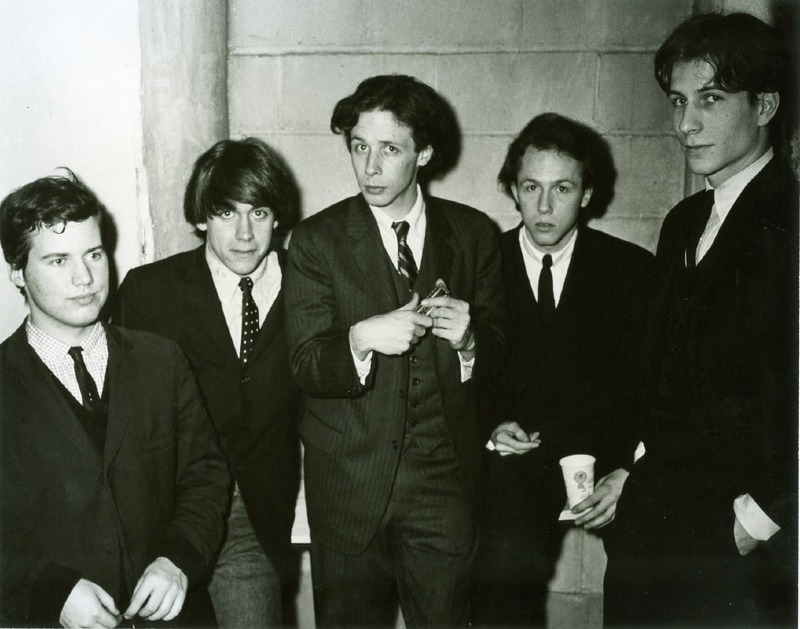
Though they never released a record in their heyday or topped a concert bill outside their hometown, The Prime Movers were unquestionably one of Ann Arbor’s most important bands of the 1960s.
While some 38 musicians would eventually rotate through the group, its core lineup came to include drummer James Osterberg, christened “Iggy” by the band; keyboardist Robert Sheff, later famed as the avant-garde composer “Blue” Gene Tyranny; guitarist Daniel Erlewine, known today as one of the world’s top luthiers; and vocalist/harmonica player Michael Erlewine, who would go on to found the All Music Guide, All Movie Guide, and a host of spinoffs.
One of the first white American bands to devote themselves to Chicago-style blues when originators like Muddy Waters and Howlin’ Wolf were still in their prime, the group was regularly on the bill at Ann Arbor’s Canterbury House, Clint’s Club, Mother’s, The Ark, The Schwaben Inn, The Fifth Dimension, and The Depot House. The Prime Movers also appeared at Detroit’s Grande Ballroom and Living End, and even the Fillmore and Matrix in San Francisco. But their devotion to the blues led them to turn down an offer to sign with Motown and split with manager/A-Square Records founder Jeep Holland, who sought to force them into a pop-rock mold. As a result, The Prime Movers’ powerful sound became just a fading memory to those lucky enough to hear them in person.
But stashed away in the basement of Michael and Daniel Erlewine’s brother Stephen were well-recorded tapes of the group in action at Clint’s Club and The Schwaben Inn. In 2008 a track appeared on the Ace/Big Beat compilation A2 (Of Course), then a 45 rpm single was released by Third Man.
Finally, in late 2019, Sundazed Records’ Modern Harmonic imprint issued a full 10-track CD and two-LP set of The Prime Movers' work. Highlighted by the stabbing, string-bending guitar leads of Dan Erlewine and the soulful organ of Robert Sheff, the 1966-7 recordings also feature the future Iggy Pop singing their Yardbirds-style cover of “I’m a Man,” which reveals more than a hint of what was to come two years later in The Stooges.
I spoke with Michael Erlewine about the band’s history and the recent release of their music, more than 50 years after it was recorded.
ARTS AROUND ANN ARBOR
WHAT WOOD YOU LIKE TO DO THIS WEEKEND?


