
Until Now: Bill Edwards Shares Personal Tales of Life and Love on "So Far" Album
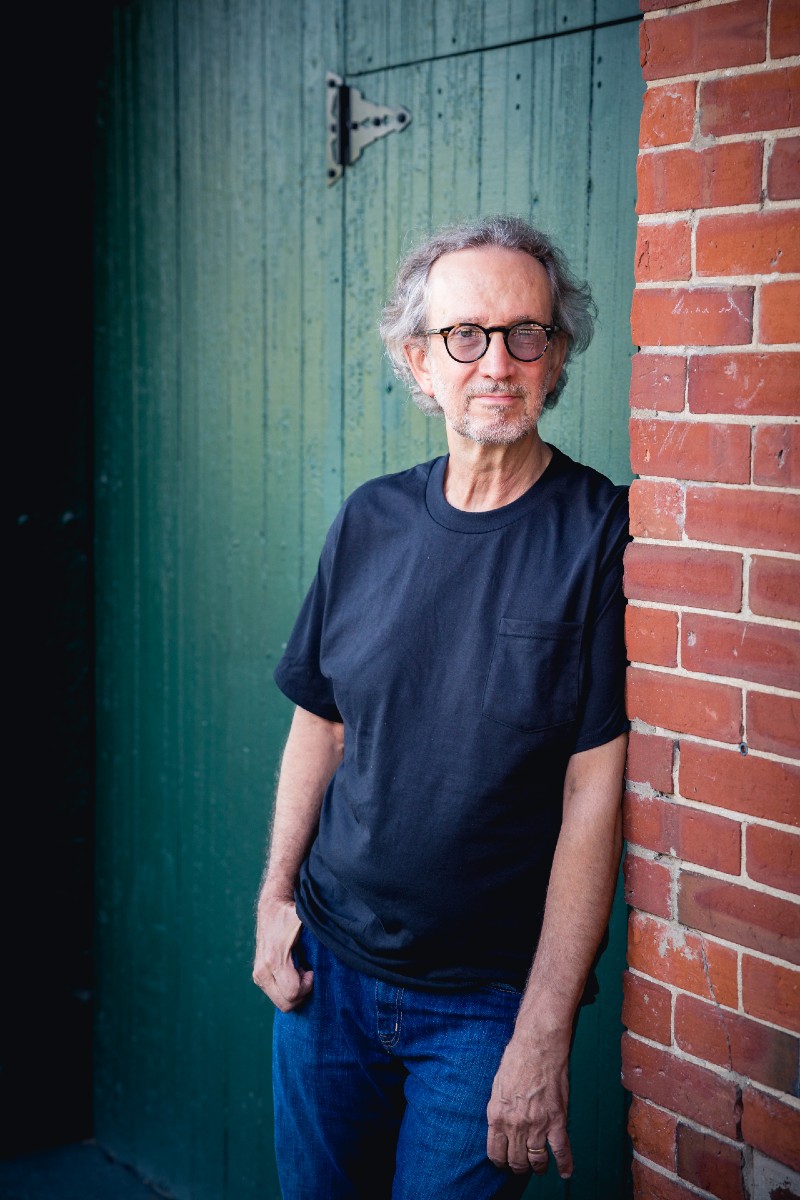
As an accomplished songwriter, Bill Edwards often tells stories from multiple perspectives across an astonishing catalog of songs.
This time, the prolific Ann Arbor singer-songwriter and multi-instrumentalist opted to share his own stories on his new Americana album, So Far.
“The songs are all, without exception, autobiographical, making this the most personal record I’ve ever released. I’ve reached an age where it seemed like it was time to look both backward and forward,” Edwards said.
“The future is never guaranteed, and I wanted some of these feelings captured. There’s a lot of emotional territory covered on the album, and it all feels true to me.”
On So Far, Edwards features 14 tracks that collectively reflect on a life filled with optimism, love, gratitude, loss, wisdom, and nostalgia. The album’s honest sentiment, introspective lyrics, and earnest instrumentation invite listeners to contemplate their own lives alongside Edwards.
“I wrote probably 50 songs that may have been candidates for this record over the past year or so,” he said. “I’m always writing, and these tunes got swapped in and out as new material came to be.”
I recently spoke with Edwards about opening for Rodney Crowell, writing tracks for So Far, recording his new album, hosting an October 18 album release show at The Ark, and working on new material.
Creative Visions: Theater set designer Jungah Han conjures new worlds from scratch
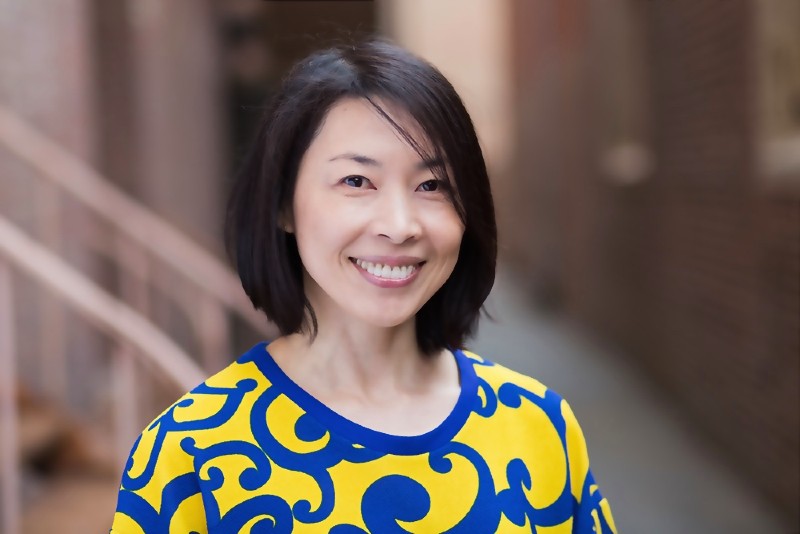
Jungah Han doesn’t try to copy a successful look from a previous production of a play, musical, or opera she is designing. She doesn’t look at photos or read about what other designers have done, and she tells her University of Michigan students to begin without preconceptions, too.
At times—more often when she’s designing in the United States than abroad—she’s been asked to reproduce what’s been done in other productions.
She’s not interested in those jobs.
Han, who joined the faculty at the U-M School of Music, Theatre, and Dance last fall, is a theater artist. She brings her own response to a play, in collaboration with the director’s vision and those of others on the design team.
Yet, Han didn’t even know what theater was when she enrolled in Kangwon National University in her native South Korea. There, she studied business. “Part of business is marketing and advertising. I was interested in the design part,” recalls Han, who moved to Honolulu to study desktop publishing at Hawaii Pacific University.
Then, a tidal change.
The Mating Game: Ann Arbor Civic Theatre's "The Matchmaker" Tells a Deeper Story Beyond "Hello, Dolly!"
In 1955, playwright Thornton Wilder’s The Matchmaker became a Broadway hit that ran for 486 performances, toured successfully, became a movie, and was embraced by regional and community theaters across the country. Today, Wilder’s play is rarely performed because of Hello Dolly!
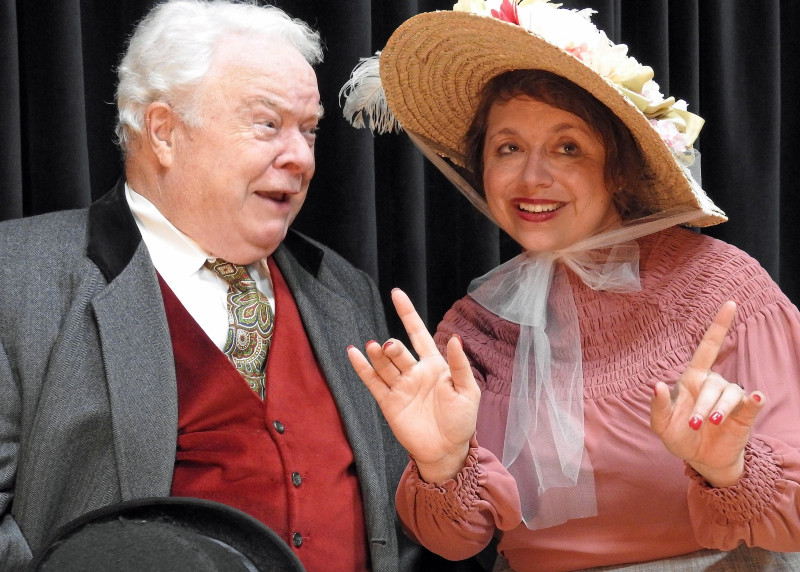
“It’s an American classic and it doesn’t get done because Hello, Dolly! gets done,” said Wendy Wright, the director of the Ann Arbor Civic Theatre’s production of The Matchmaker, which will run October 19-22 at the Arthur Miller Theatre.
Hello, Dolly! is, of course, the hit musical adaptation of Thornton Wilder’s play with music and lyrics by Jerry Herman. The song "Hello, Dolly!" was a mega-hit for Louis Armstrong before the musical was up and running, and the musical gave Carol Channing her greatest role. It, too, became a movie with Barbra Streisand and Walter Matthau.
The Matchmaker has an interesting history. It began as a one-act play in England in 1835 and was expanded into a full-length play by an Austrian playwright in 1842. In 1938, Wilder, a three-time Pulitzer Prize-winning playwright and novelist, created an American version of the story that he called The Merchant of Yonkers. It flopped. But Wilder regrouped, put the focus on Dolly, and created The Matchmaker. He won the Pulitzer for the plays, Our Town and The Skin of Our Teeth, and the novella, The Bridge of San Luis Rey.
Purple-Colored Glasses: Sarah Costello and Kayla Kaszyca Provide Asexual and Aromantic Perspectives in “Sounds Fake But Okay”
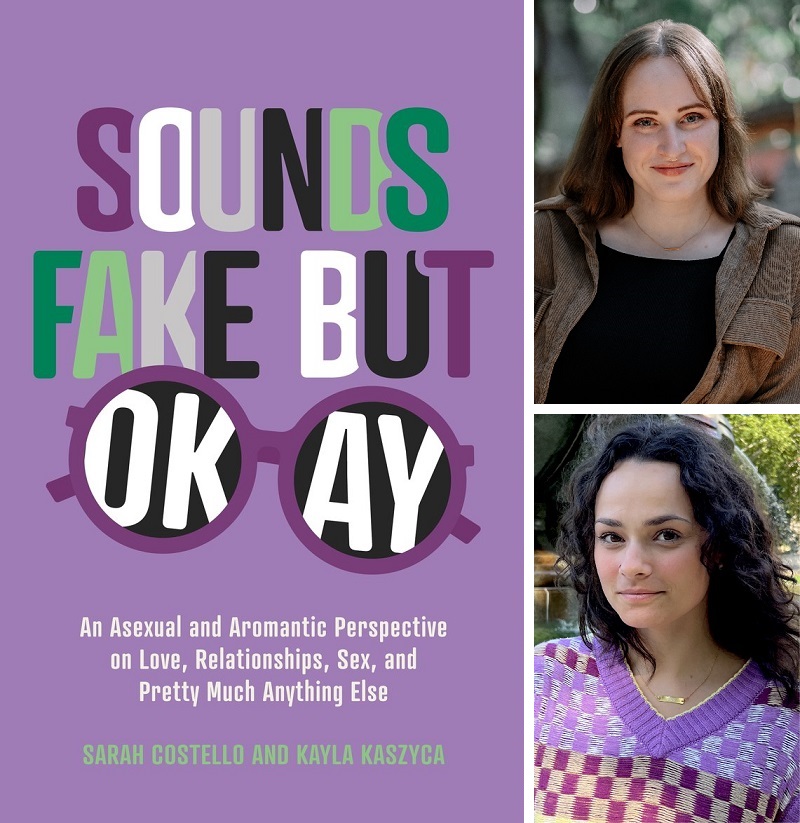
University of Michigan alums Sarah Costello and Kayla Kaszyca host the podcast “Sounds Fake But Okay” and recently came out with their new nonfiction book, Sounds Fake But Okay: An Asexual and Aromantic Perspective on Love, Relationships, Sex, and Pretty Much Anything Else. The book delves into what it means to be asexual and aromatic. Along the way, they define many terms, both in the glossary at the start of the book and in subsequent chapters. They offer their own personal examples and quotations about identities from other people who responded to a survey.
Like many things, asexuality and aromanticism are on a spectrum, referred to in the book as aspectrum or aspec. Costello and Kaszyca describe their understanding of this range of perspectives and identities as having “purple-colored glasses”:
Once a person first puts on those purple-colored glasses and sees the potential a new mindset unleashes, it’s understandable that they may not want to take them off. It’s understandable that one may choose to embrace the unknown and the uncategorizable in contexts beyond relationships with one another and apply what the aspec lens teaches us to their relationship with themselves.
The authors emphasize the many variations along the aspectrum, given that “the aspectrum is a seemingly infinite trove of words and concepts and love whose combined meaning cannot possibly be fully mastered by a single mortal being.” Aspectrum is not one-size-fits-all but rather a plethora of individualities to which a person may relate.
David Lawrence Morse's Short Story Collection, "The Book of Disbelieving," Challenges Distinctions Between Fantasy and Reality
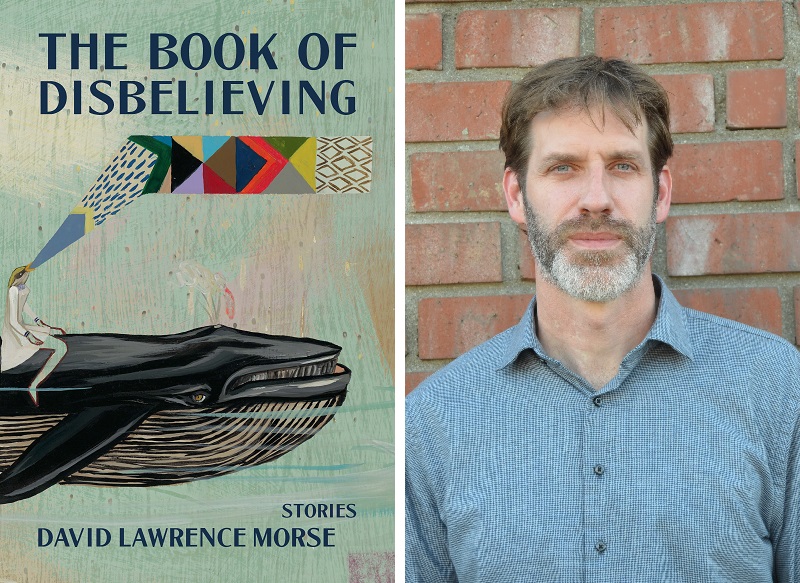
Sea creatures, time, mating, life, and death all take a twist under David Lawrence Morse’s pen in his new short story collection, The Book of Disbelieving.
The worlds of Morse’s short stories are not our worlds, though they are not too different. In The Book of Disbelieving, he changes an element or two of life, which becomes the premise of the story. As one character reflects, “The mind can imagine anything, but that doesn’t make it so.” The stories also read like fables with a moral, even though there are no animals who speak.
The first story, “The Great Fish,” contains a civilization that lives on the back of a large fish and only allows pairs of people to stay together if they successfully procreate. When Osa and the narrator, who are partners, disagree about their future, Osa focuses on her own plans. Her significant other reflects on their circumstances: “ ‘What’s wrong with floating,’ I asked. ‘That’s the way the world works.’ ” Osa does not want to float through existence anymore, though. They do not agree because her mate wants to keep “the precarious life it was my responsibility to preserve.” As they forge their own paths, the surprising thing is what they miss.
These stories gravitate to the topic of death. One story covers a person with the role of “oarsman” to row away the deceased. Another story called “The Serial Endpointing of Daniel Wheal” follows a desperate character trapped in a society that has a special unit to remove those who have “endpointed.” Passing on carries a great deal of mystery and abruptness, as Daniel reflects on his life:
That was memory. That was past. And Charlotte was past and the past is past. As much as he wanted to relish the experience, he couldn’t hold on to the moment, the moments slipped free too quickly, before he could appreciate them the moments ghosted into memory. Time is an endpoint that renders pleasure into grasping after nostalgia.
No one, including Daniel, is immune. Morse’s stories embrace “how it could all change in an instant. How you told yourself one thing but believed something else. But the thing you actually believed wasn’t the thing you wanted to believe.”
Morse earned a Master of Fine Arts (MFA) at the University of Michigan and now directs the writing program at the Jackson School of Global Affairs at Yale University. I interviewed him about his new book.
Close Bond: Eric Moore Searches for Fellowship and Connection on New “Brother” EP
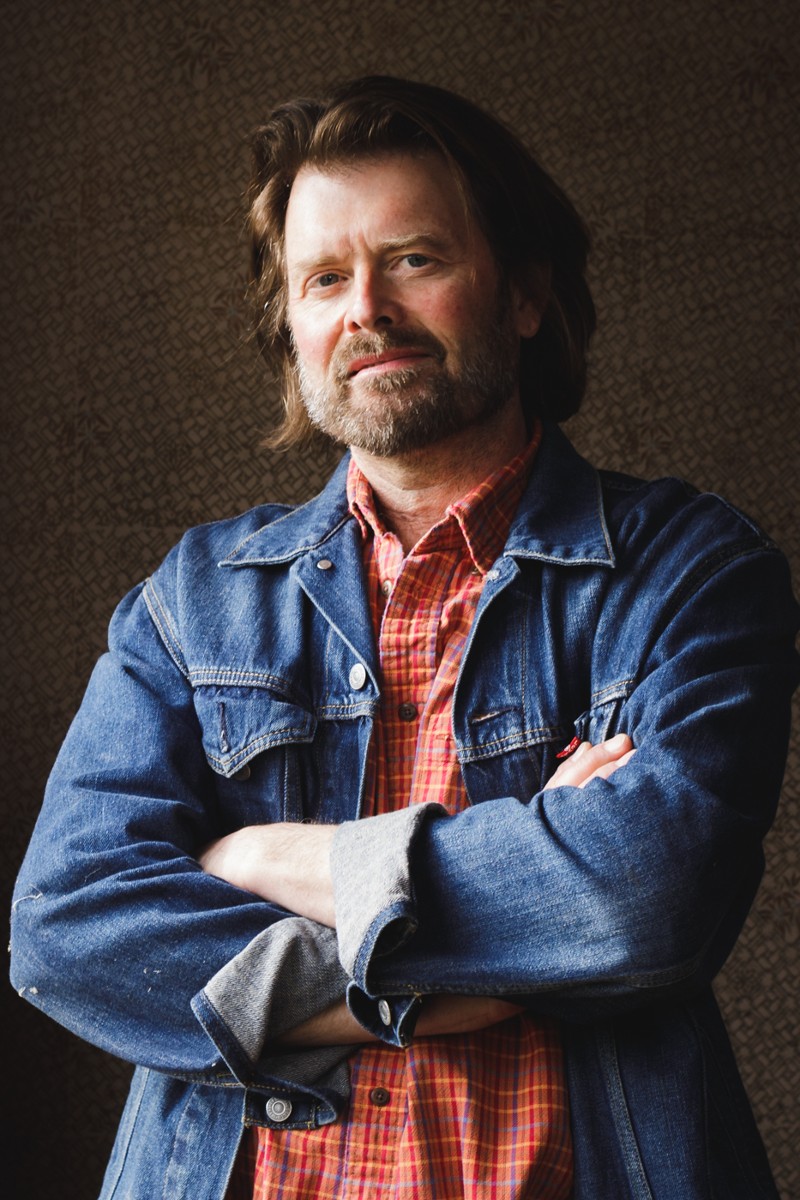
Despite having grown up with an older sister, Eric Moore longs for a strong sense of brotherhood.
The Ypsilanti singer-songwriter/guitarist shares his quest for finding fellowship on “Brother,” the title track from his new blues-rock EP.
“It happened in San Francisco, in Jackson Hole, [Wyoming], and here in Michigan,” said Moore, who grew up near Pittsburgh, and lived out west before moving to Ypsilanti in 2002.
“I made super-tight friendships with some guys who had tight friendships with their brothers. When their brothers were on the scene and whenever we were all together, I felt like the third wheel … there was a line I couldn’t cross, and they weren’t trying to ostracize me by any means, but I just could not get over and get any closer than what those guys had.”
Backed by contemplative acoustic guitar and piano on “Brother,” Moore sings, “The first time I ever heard it I was almost 40 years old / Far past the pain of adolescence, yeah, all those tears were cold / Still it got me thinking about some good friends along the way / They were always there for each other, there wasn’t nothing left to say.”
“I noticed this tendency in me to do that, so I started with this line, ‘I’ve been waiting on you, brother.’ I tried writing around that, and I was trying to force something,” he said.
“Somewhere at some point, I said … ‘Nobody ever called me brother,’ and I went, ‘Boom! That is the song and the line that everything is going to hinge on.’ And then the song just wrote itself, it just poured out after I had that line … [and] that’s the truth, too, growing up in Washington, Pennsylvania without a musical soul to even talk with.”
Diasporic Distillations: "We are here because you were there" at A2AC explores works by Asian American / Asian artists
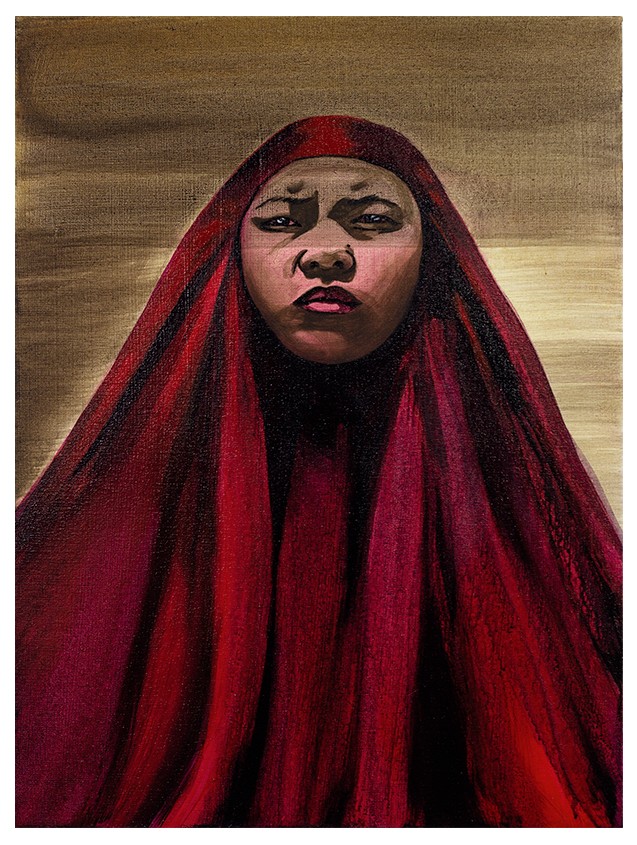
The new exhibit at Ann Arbor Art Center (A2AC), We are here because you were there, highlights issues facing the Asian American and Pacific Islander (AAPI) diaspora living in a post-colonial world.
Curated by Chien-An Yuan, a multi-disciplinary artist in his own right, the exhibit features the work of Asian American / Asian artists Kim Jackson DeBord, Laura Kina, Larry Lee, Cori Nakamura Lin, Okyoung Noh, and Sherina Rodriguez Sharpe. It is formally presented by the Michigan Asian Pacific American Affairs Commission.
“I reached out to Chien about co-curating a show revolving around the concept of displacement/DREAMERS/living between various cultures,” said A2AC gallery director Thea Eck about the exhibit, which runs through October 22. “As a gallery director, I saw a chance for myself to lean out and for him to lean in. It felt more natural for me to support his ideas as they became more focused and honed in. This is part of allyship and part of the A2AC Exhibition program's vision: To recognize when it's best to play support to someone who is in a specific community. We can be the loudspeaker to amplify and give space, time, and a budget to.”
Claudfest: Singer-songwriter Claudia Schmidt celebrates 50 years of performing
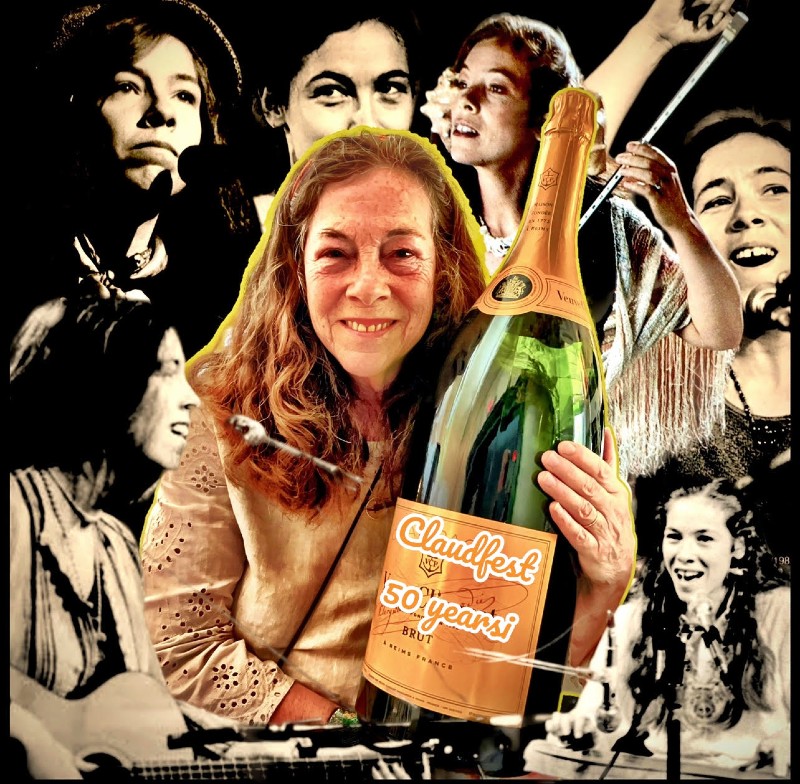
“Golden anniversary” sounds tacky and “semicentennial” reads incomplete, so what does a musician call her slow-rolling, year-long celebration of 50 years on stage?
For Claudia Schmidt, you just go ahead and portmanteau it—hence Claudfest, and let the bells ring.
Schmidt’s career as a singer-songwriter spans time as well as genre, and she’ll perform selections from her accumulated repertoire on Saturday, October 7, at The Ark when she appears with Rachel Davis.
While she remained active through the COVID-19 shutdowns with a regular series of YouTube concerts, the stage is where Schmidt’s art truly breathes, her rapport with the audience an essential element. Her long-awaited return to A2 brings Claudfest to a city that bore witness to various stages of her musical evolution.
A native of New Baltimore, Michigan, Schmidt pulled the modern equivalent of running away with the circus as soon as she was able, joining a theater group after high school and traveling with them for a year. Another round of seasons given to the University of Michigan didn’t work out, so she relocated to Chicago, where an already vibrant folk music scene welcomed her and inspired a career that led to dozens of records and countless miles.
Ann Arbor would have been a regular stop for anyone playing the Midwestern folk circuit of the 1970s, and Schmidt had no shortage of gigs at the venue she’ll visit this weekend. “I’ve played at all of The Arks,” she said. “I played at the original one on Hill Street, then when it moved to South Main. I’ve followed them all around.”
Second Run: David Roof’s Funky Rivertown Fest Returns October 10-14 at Riverside Arts Center in Ypsi
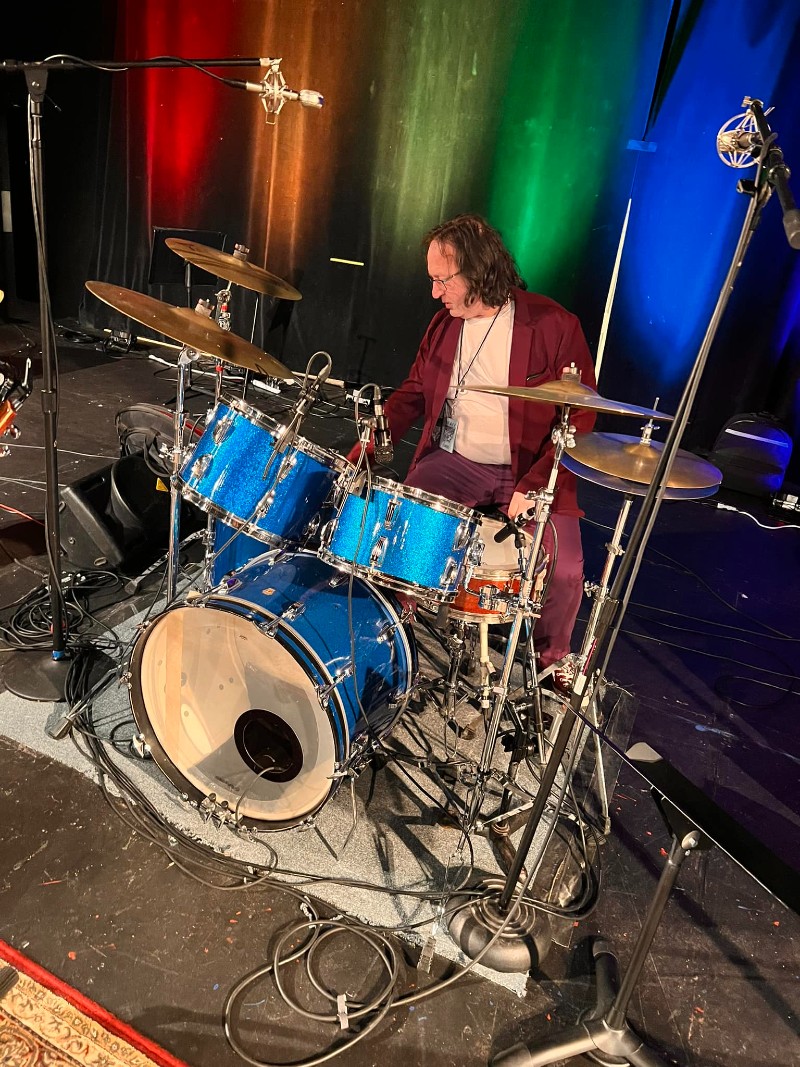
After playing outdoor music festivals in the summer for years, David Roof wanted to capture that same spirit indoors during the fall and spring.
The producer, recording engineer, and live performer launched Funky Rivertown Fest, a biannual music festival that debuted in March and returns October 10-14 for a second run at Ypsilanti’s Riverside Arts Center.
“I love some of the music festivals in the summertime, including Holler Fest and Earthworks Harvest Gathering, and Blissfest and Wheatland are the old standbys and senior veterans of the festival scene,” said Roof, who owns and operates the Grand Blanc-based Rooftop Recording.
“But that’s all during the summertime, and in Michigan, we only have four or five nice months of weather, so that was the inspiration for me to want to do a live music series that could happen after the nice weather is gone and before the nice weather has arrived.”
At Funky Rivertown Fest, Roof features a lineup of Americana and rock-inspired acts that come from Washtenaw County and Metro Detroit. They specialize in folk-rock, blues-rock, power-pop, roots-rock, and country over five days of live performances:
• Tuesday, October 10: Adam Labeaux and Head Full of Ghosts
• Wednesday, October 11: Eric Moore with Rochelle Clark and Jason Dennie
• Thursday, October 12: The Outfit and Songwriters in the Round with Scott Martin, Milan Seth, and Linden Thoburn
• Friday, October 13: Bobby Pennock’s Big Fluffy Band and The Dirk Kroll Band
• Saturday, October 14 (matinee show): Paul’s Big Radio and Saturday Matinee Songwriter Round with Judy Banker, Matthew Thick, and Jeff Brach
• Saturday, October 14 (evening show): The Lucky Nows and Anna Lee’s Co.
Late in the World: Molly Lynch's new novel tracks the willing disappearance of a mother and wife
Imagine that you have an urge to disappear and be unreachable.
Then, imagine that someone whom you care about has that urge, but you don’t know where they went or why.
Now, add many more layers of complexity to the woman who disappears given that she has a family, including a child, and a career.
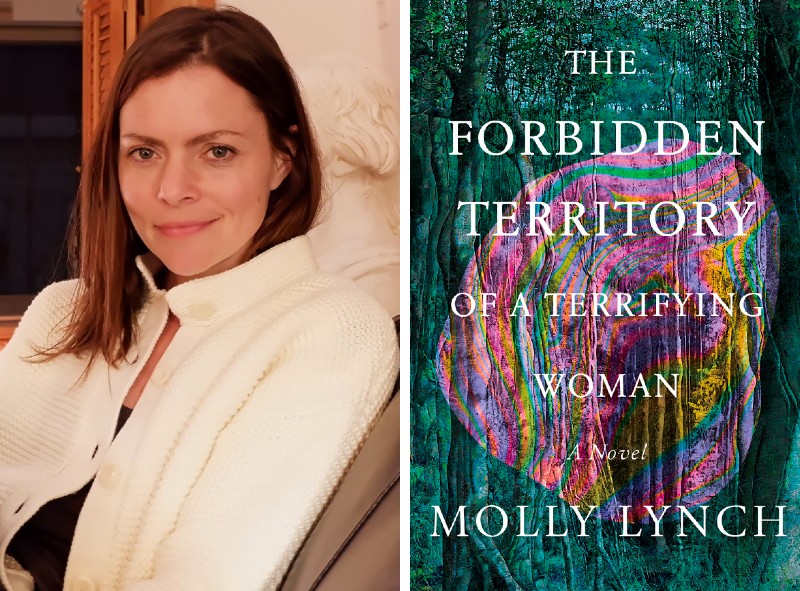
These circumstances would raise many questions, and the premise of Molly Lynch’s new novel does just that.
The Forbidden Territory of a Terrifying Woman tracks Ada, a mother and wife who goes missing suddenly. Her husband, Danny, and son, Gilles, are left behind, bereft and confused. Yet, Ada is following her thoughts and feelings. With an omniscient third-person narrator, the reader gets insights into all the characters.
Early on in the book, the bond that Ada, Danny, and Gilles have with each other becomes clear, as “All three of them were one connected thing.” Yet, there are challenges:
ARTS AROUND ANN ARBOR
NOT FROM CONCENTRATE


